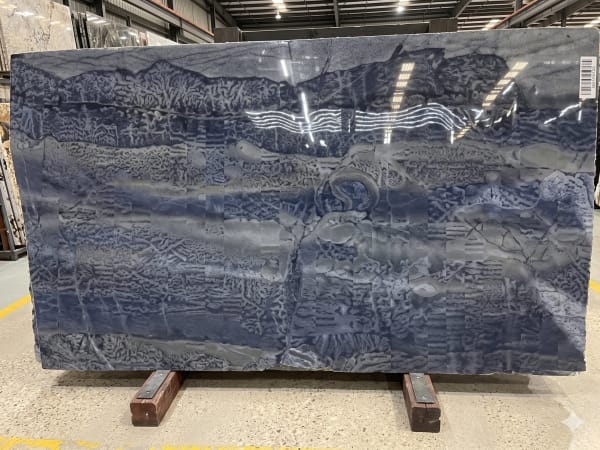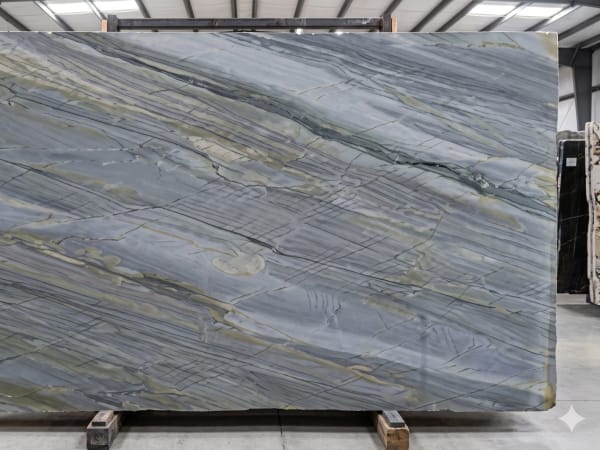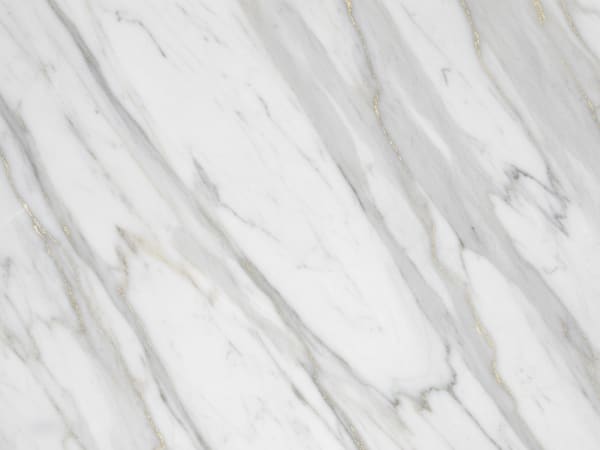
Quartzite
Riviera (Brazilian)
Brazil
Brazil (Minas Gerais)

White Macaubas
Photo coming soon
Slab Yard Diagnostic Protocol
Quartzite is widely mislabeled in the trade — slabs sold as quartzite are sometimes dolomitic marble (e.g., Super White) or hybrid marble/quartzite layers (e.g., Fantasy Brown). Before you commit, run two quick tests from your Stone ID Kit to confirm the slab is genuine quartzite.
From your Stone ID Kit
The full step-by-step protocol — including expected results and red flags — is included in your downloadable Buyer's Guide.
We’ll email you the care do’s and don’ts for White Macaubas, plus what to watch out for.
Free. No spam — unsubscribe anytime.
Some slabs of this quartzite may exhibit natural translucency and can be backlit for dramatic effect. Verify translucency on your specific slab before planning a backlit installation.
White Macaubas is one of the more porous quartzites on the market. Unlike dense quartzites that resist staining easily, this stone can absorb moisture and oils readily if not properly sealed. It requires a premium impregnating sealer applied before use and resealed every 6–12 months in kitchen applications. Perform a water drop test on your specific slab — if water darkens the surface within 1–3 minutes, this confirms the need for diligent sealing.
White Macaubas is typically filled with polyester resin during processing to stabilize micro-fractures and enhance appearance. This resin can yellow over time when exposed to direct sunlight or UV light. This yellowing is irreversible and most noticeable on white, light-colored, and blue stones. For areas with direct sun exposure (near windows, outdoor kitchens, sunrooms), discuss UV-stable epoxy resin options with your fabricator, or consider placement away from prolonged direct sunlight. Ask your supplier whether the slab uses polyester or UV-stable epoxy resin.
White Macaubas is one of the more porous quartzites on the market. It can absorb moisture, oils, and adhesive chemicals readily if not properly sealed. Do not assume "quartzite = bulletproof" with this stone. Seal with a premium impregnating sealer BEFORE installation and plan to reseal every 6–12 months in kitchen use. In wet applications (showers, outdoor), use a high-quality impregnating sealer and plan for more frequent resealing. Using the wrong adhesive during fabrication can cause permanent darkening along seams — insist your fabricator seals all cut edges before applying any adhesive.
White Macaubas is susceptible to oil absorption from fabrication adhesives. Standard color-matched epoxy used for seams and repairs can leach oils into the stone, causing dark staining along seam lines and edges that may be permanent. BEFORE FABRICATION: Insist your fabricator seals all cut edges and the underside of seam areas with impregnating sealer BEFORE applying any adhesive. Use a high-quality, non-staining adhesive specifically rated for porous natural stone. This is critical — once adhesive oil migrates into the stone, it is extremely difficult or impossible to remove.
From the same quarry family
Not sure what stone you have? This kit includes the tools professionals use to identify stone type, test acid sensitivity, check absorption, and determine the right care products.
Shop Stone I.D. Kit — $139.97LOW — siliceous; does NOT etch
>480°F
Yes (impregnator)
Tap an application to see the full recommendation.
Maintenance recommendations for White Macaubas
pH-Neutral Stone Cleaner
For daily cleaning. Avoid acidic or alkaline cleaners.
Impregnating Sealer
Penetrates the stone to protect from within. Apply annually.
Get a free consultation from Sureshine’s stone care experts.
Similar quartzite stones and comparable options to explore.